
What Makes Sussex Beef Different? A Look at Harry’s Roast
Sussex beef has a strong connection to the landscape, farming traditions, and local produce of the county. From the quality of the cattle to the way the meat is raised and prepared, these factors can shape its flavour and character. This guide looks at what sets Sussex beef apart and why it has earned a place on menus across the region.
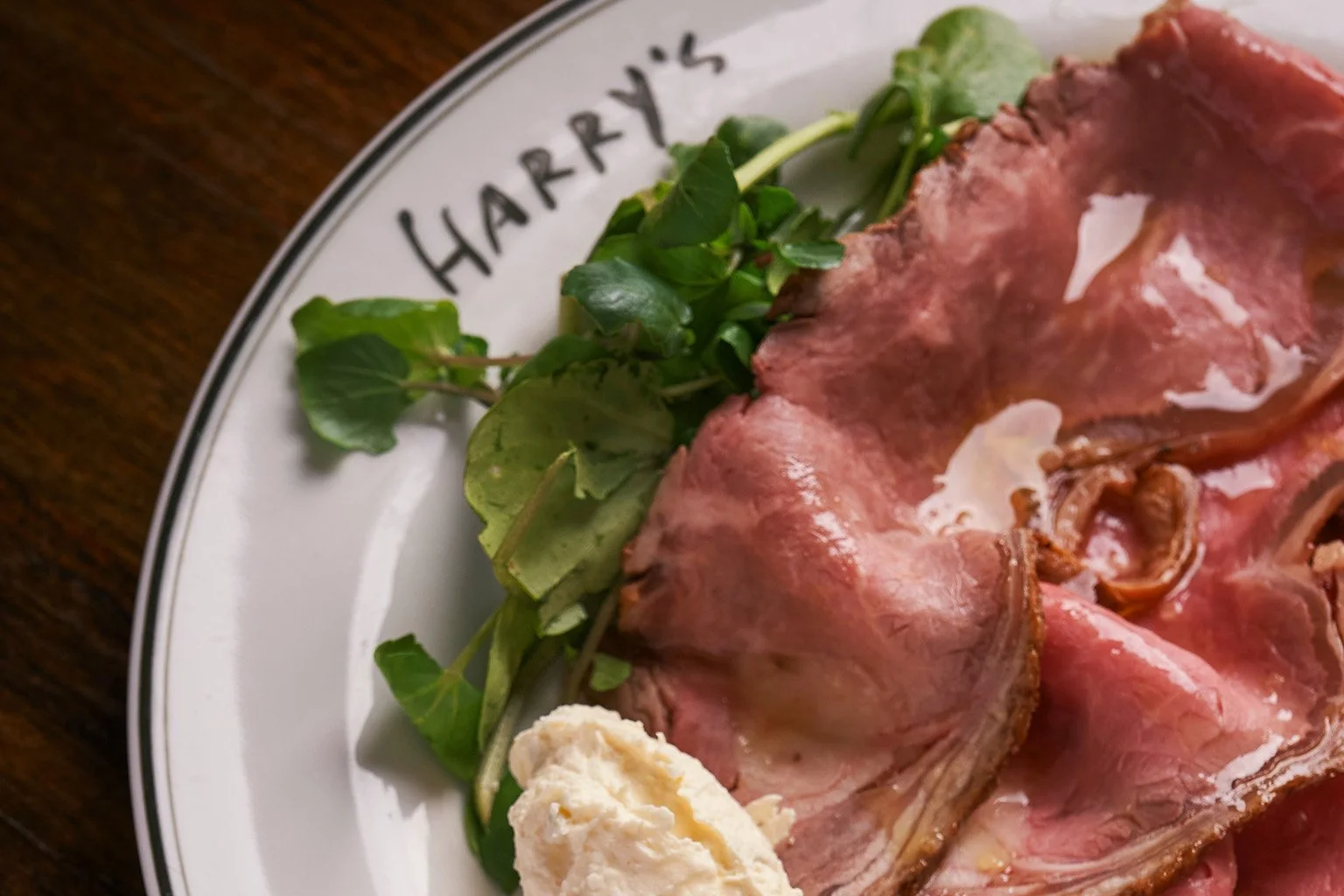
Why Sussex Beef
East Sussex has been cattle country for a very long time. The clay-heavy soil around the and the Downs grows exceptional grass, and grass, more than anything else, is what shapes flavour in beef.
Cattle raised on Sussex farmland tend to graze slowly across mixed pasture rather than being fed purely on grain. That slower life does something to the meat: better marbling, a deeper colour, and a flavour that tastes distinctly of where it came from rather than nowhere in particular.
Sourcing local beef in Sussex means shorter journeys from farm to kitchen, which matters more than people realise. Less time in transport, less stress on the animal, and a joint that reaches us in the condition it should be.
What Makes a Great Roasting Joint
Not every cut earns a place on a Sunday table. A great roasting joint needs a few things working in its favour:
Good fat coverage: a proper cap of fat bastes the meat as it cooks.
The right hang time: beef that's been aged properly.
Size and shape consistency: so it cooks evenly all the way through.
How Harry's Selects Each One
This is where "hand-selected" stops being a phrase on a menu and starts being an actual Sunday morning task.
Every joint of Sussex beef that reaches the pass has been chosen individually, checked for fat coverage, marbling, and size, and picked specifically.
A joint built for slow roasting behaves differently in the oven to a quick-cook cut, and choosing correctly from the outset is half the job done.
From Farm to Table
By the time a joint reaches Camber, it's usually followed this rough path:
Raised and grazed on Sussex farmland, largely on grass.
Selected as a roasting cut based on fat, marbling and size.
Aged for a period to develop flavour and tenderness.
Delivered to Harry's, checked again by hand.
Roasted slowly.
It's a short supply chain by design. The fewer hands and fewer miles between farm and Sunday table restaurant Camber Sands diners actually get, the more the beef tastes like what it is, rather than like refrigeration.
What to Expect on the Plate
Order the Sunday roast at Harry's, and you'll get a hand-selected joint of Sussex beef, carved properly, with all the trimmings you'd hope for alongside it. It's served alongside our full à la carte, so anyone at the table who fancies something else from the regular menu is just as welcome.
A few notes for planning your visit:
On weekend lunches, it keeps the kitchen running properly for everyone in the room.
Children aged six and over are very welcome at lunch.
Dogs are welcome in the Bar and the Sitting Room at lunchtime.
The Terrace is a lovely spot on a good day.
Expect a room that feels unhurried. Wicker chairs, big windows toward the dunes, a proper drink before the meal if you fancy one at the Bar first. Grace Dent, writing in The Guardian, called dinner at Harry's "a startlingly good dinner", and it's fair to say the Sunday roast carries the same spirit through to lunch.
Book Your Sunday Roast
If you're planning a Sunday in East Sussex, whether you're driving over from Rye, staying nearby, or making a proper day of it at the coast, we'd love to have you.
Head to our Book a Table page to secure a spot, and take a look at the full Weekend Roast menu beforehand.
