
What Is a French Brasserie? Harry's Guide to the Classics
A brasserie is a style of French restaurant built around all-day dining and a fixed menu of classic dishes. This tradition shapes almost everything about how we cook at our French bistro; East Sussex diners visit for unfussy food behind the dunes at Camber.
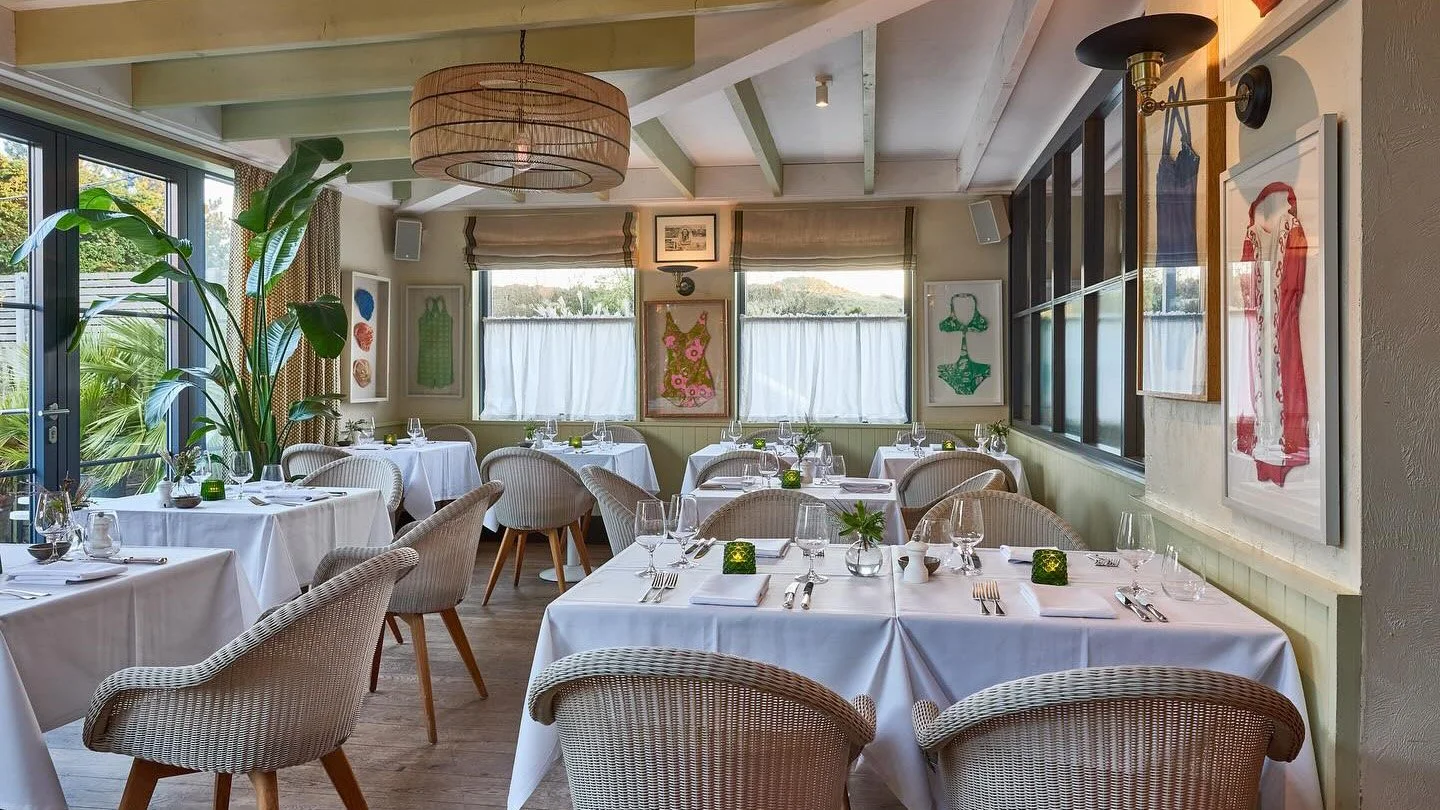
What is a brasserie?
The word itself is French for "brewery," which tells you something. Brasseries began life in Alsace in the late 1800s as places attached to breweries, serving hearty food to go alongside the beer. Over time they evolved into something broader: all-day dining rooms serving classic dishes at a reasonable pace, without the ceremony of formal dining.
A brasserie has always meant a few things in practice:
Longer opening hours than a typical restaurant
A fixed, recognisable menu of classic dishes done well
A relaxed, sociable atmosphere rather than hushed formality
Food built for sharing a table, a bottle, and a few hours
Brasserie vs bistro vs fine dining
This is where things get muddled, so let's untangle it.
A bistro is typically smaller and more intimate than a brasserie, often family-run, with a shorter menu that might change daily depending on what's fresh. Think of it as the brasserie's more modest cousin.
Fine dining sits at the other end entirely. It's built around technique, presentation, and often a tasting menu format where the kitchen dictates the pace and the portions.
A brasserie sits comfortably between the two. It has more structure than a bistro but far less ceremony than fine dining. You order what you want, when you want it, and nobody's plating a dessert with tweezers.
We'd describe Harry's as a French restaurant style guide brought to life somewhere in that brasserie space, though we borrow a bistro's warmth too. Our menus shift regularly, and Saturdays bring a prix fixe lunch alongside the full à la carte, which is a very brasserie thing to do.
The brasserie cooking
Here's where the tradition really speaks to what we're trying to do at Harry's.
In Harry's own words, it comes down to "the honesty of great cooking using the very best ingredients."
That's brasserie cooking in a sentence, really. No unnecessary flourish. No ingredient you need explained to you. Just good produce, cooked with care, and served without pretence.
You'll find that same honesty in our roasts on Sundays, where a hand-selected joint of Sussex beef arrives with all the trimmings and nothing you'd need a menu glossary for.
Classic dishes you'll recognise
Whatever brasserie you walk into, from Lyon to London, certain dishes tend to show up.
A seafood platter – oysters, crab, and citrus, usually built for sharing
Steak frites – simple, done well, and a genuine test of a kitchen's confidence in itself
Simple French puddings – seasonal fruit or ice cream, nothing overworked
Our tiered seafood platter and steak frites both sit firmly in this tradition, and our desserts stay deliberately restrained. As our team often says, dessert doesn't need three garnishes and a quenelle to be worth ordering.
How Harry's interprets the tradition
We're a French bistro five minutes from the beach in Camber, and the setting shapes everything.
Wicker chairs. Big windows facing out toward the dunes. A proper drink at the Bar before dinner, where green stools line a wooden counter that's seen a few good evenings. It's what Harry describes as a sense of seaside escapism, and it's every bit as central to the brasserie feel as the food itself.
It's simply how we keep the room running the way a proper brasserie should: relaxed, but organised enough that everyone gets looked after.
See the menu
If any of this has you curious about what brasserie cooking actually tastes like, the best way to find out is still the oldest one: come and eat.
Take a look at our full menu, and when you're ready, book a table and judge the tradition for yourself.
