
How to Make a Proper French Vinaigrette
There's a moment in every French kitchen where someone reaches for oil, vinegar, and a bit of mustard, and something quietly good happens. That's classic French cooking in miniature, and there's no better place to start than a proper vinaigrette.
At Harry's, our bistro behind the dunes at Camber Sands, this is the kind of thing we take precisely because it looks so simple. Get it right, and it lifts everything it touches.
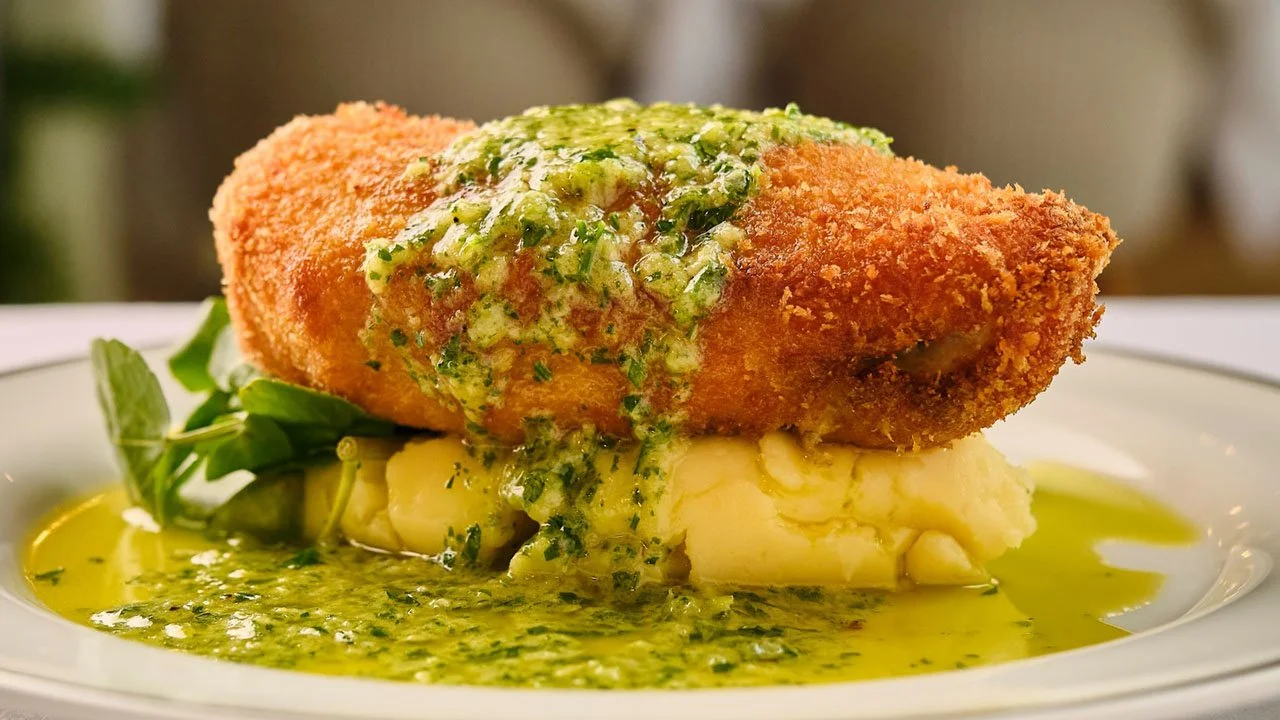
The foundation of French cooking
A vinaigrette is arguably the first real test of technique a young cook faces, because there's nowhere to hide. Three or four ingredients.
Our head chef says the dishes that matter most are the ones that have stood the test of time. A well-made vinaigrette is exactly that. It hasn't changed much in a hundred years.
People actually want to eat without needing a reference book to understand it. A vinaigrette sits right at the heart of that philosophy.
What you need
You need little, and that's the point.
Good red or white wine vinegar
A neutral or light olive oil
Dijon mustard
Sea salt and black pepper
A small whisk or a jar with a tight lid
Quality matters more than quantity. Buy the best you can reasonably afford.
Instructions
Here's the classic French ratio, the one that's been taught in kitchens:
Start with one part vinegar to three parts oil. This is the baseline. Adjust slightly to taste.
Whisk a teaspoon of Dijon mustard into the vinegar first, along with a pinch of salt. The mustard adds flavour, and it helps the oil and vinegar bind rather than separate.
Add the oil slowly, whisking constantly. A steady, thin stream while your whisk keeps moving is what creates that silky emulsion rather than a split.
Taste and adjust. More salt, a touch more mustard, perhaps a grind of pepper.
Use it fresh, or store briefly. A vinaigrette will keep in a sealed jar for a few days, but it's at its best made just before serving.
That's it. Five steps, five minutes, and you'll never buy a bottled dressing again.
Common mistakes to avoid
We see the same handful of mistakes following:
Adding the oil too quickly. Rush it, and the mixture splits instead of emulsifying.
Skipping the mustard. Some people leave it out, but it's what holds everything together.
Over-salting before tasting. Salt at the end, not the start.
Using vinegar that's past its best, or an oil with a strong, bitter finish.
Making it too far in advance. A vinaigrette dressed onto salad leaves too early will wilt them.
How we use it at Harry's
Simplicity is really the whole idea here. It's why we called the restaurant what we did, and why our menus lean on classic French technique rather than unnecessary flourish.
You'll find our vinaigrette doing quiet, important work across the à la carte. A scatter of leaves alongside the steak frites. A light dressing over whatever Matthew has managed to source at its best that day, since the specials board changes regularly depending on what's arrived fresh. Even the tiered seafood platter, with its crab and oysters and a single lemon cut in half, often has a version of it tucked somewhere nearby, cutting through the richness.
Good technique rarely announces itself. It simply makes everything taste a little more like itself.
Taste the real thing
Reading about a vinaigrette is one thing. Tasting one made properly, sitting somewhere with big windows facing the dunes and a drink already on the table, is quite another.
Our team simply tries to get the small things right, again and again, and let the food speak for itself.
Have a look through our menus to see where technique like this shows up across the à la carte, from starters through to the specials board. Or, if you'd rather just come and taste it, book a table and we'll take care of the rest. We're just behind the dunes, opposite the beach car park as you come into Camber.
